People always ask this in the same moment. You're standing there watching a locksmith work and thinking, "What is that thing?" It could be a tiny pick, a strange little wedge, or a tool that looks like it belongs in a dentist office. And honestly, it's a fair question. When you call a locksmith in NYC, you're letting someone solve a problem that feels very personal - your home, your business, your car - and you want to know they're not improvising.
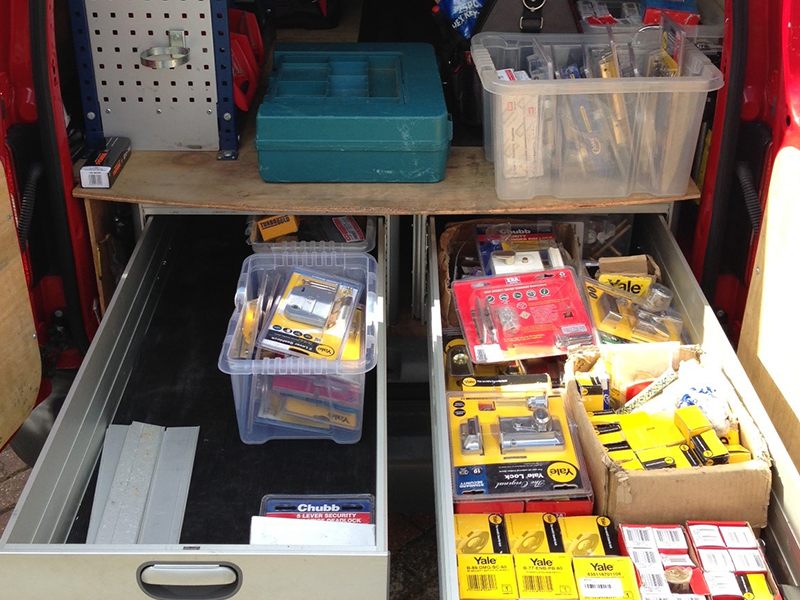
At Newtown Home Locksmith Services, we're Brooklyn-based and we're out all over NYC as a mobile locksmith team. We do emergency calls, planned upgrades, lockouts, and the everyday lock and key services that people forget exist until they need them. This post is a simple look at what we actually carry and why it matters - not a "cool tools" flex, more like a behind-the-scenes so you know what good work looks like.
Most lock problems aren't solved with one magic gadget. They're solved with a mix of the right tool, the right touch, and knowing when to stop forcing something. In NYC, especially, the fastest jobs are usually the ones where nothing gets damaged. That means the toolbox has to support clean, controlled work - not brute force.
So here's the best way to think about a locksmith's toolbox: it's not a pile of tools, it's a set of options. The right option depends on the door, the lock, the condition, and the situation (and yes, whether it's 2 PM or a 24 hour locksmith call at 2 AM).
If you found this post because you searched locksmith near me and you're trying to understand how a locksmith opens a door without wrecking it, these are the categories that matter.
Picks and tension tools - These are the classic tools people imagine. They're used to manipulate lock components in certain situations. The important part is not the tool itself - it's knowing when picking is appropriate and when it's not.
Bypass tools - Some lockouts aren't about picking at all. Sometimes the issue is the latch, not the cylinder, or there's an access path that can be used without damaging anything. These tools are why a good locksmith often makes it look easy.
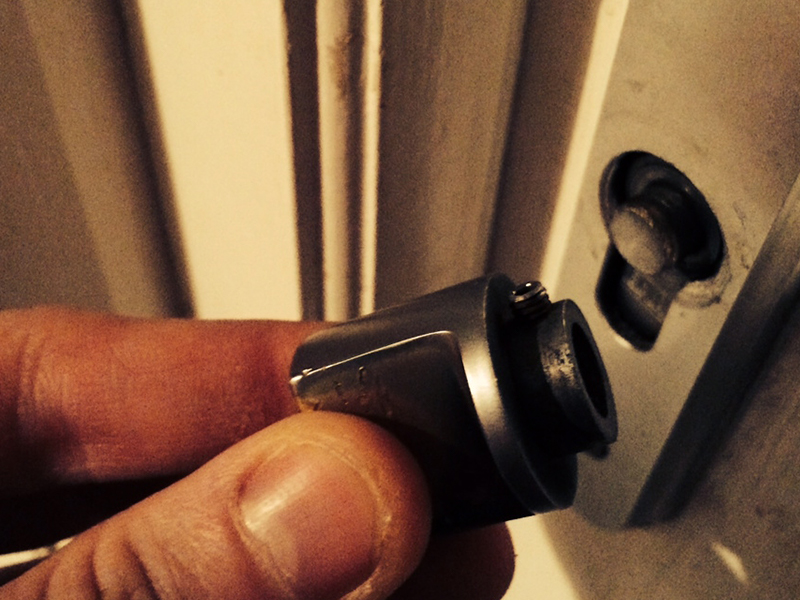
Wedges and protectors - You'll sometimes see wedges, shims, or protective pieces used to create space safely or protect surfaces. A pro uses these to avoid scratches, bends, and pressure damage.
In Brooklyn and NYC, "clean entry" is a big deal. Doors are expensive. Frames are often older. And if you're renting, you don't want to explain to a landlord why the door looks like it went through a fight.
Keys in NYC live a hard life. They're on heavy key rings, they get bent, they get copied from copies, and they get used in locks that may already be binding. Eventually, it can turn into key broke off in lock.
When that happens, the tools matter because the wrong attempt can push the broken piece deeper. Locksmiths use extraction tools designed to grab and remove fragments without destroying the cylinder. The main difference between a clean extraction and a messy one is patience and proper tools - not strength.
If you're dealing with a stuck key right now, treat this like a warning: stop forcing it. The "one more twist" is usually the twist that breaks it.
\People ask about key cutting near me because they just want a key that works. What most people don't realize is that copying a worn key often creates a worn copy. The machine might be fine - the source key is the issue.
Locksmiths use key cutting machines and measuring tools that help produce a more accurate cut when needed. Some situations are simple. Others require more precision, especially when the lock is older or the key has been abused for years.
And just to keep it real: sometimes the lock is the problem, not the key. You can cut a perfect key and still fight a misaligned door or a tired cylinder. That's why we always look at the whole setup.
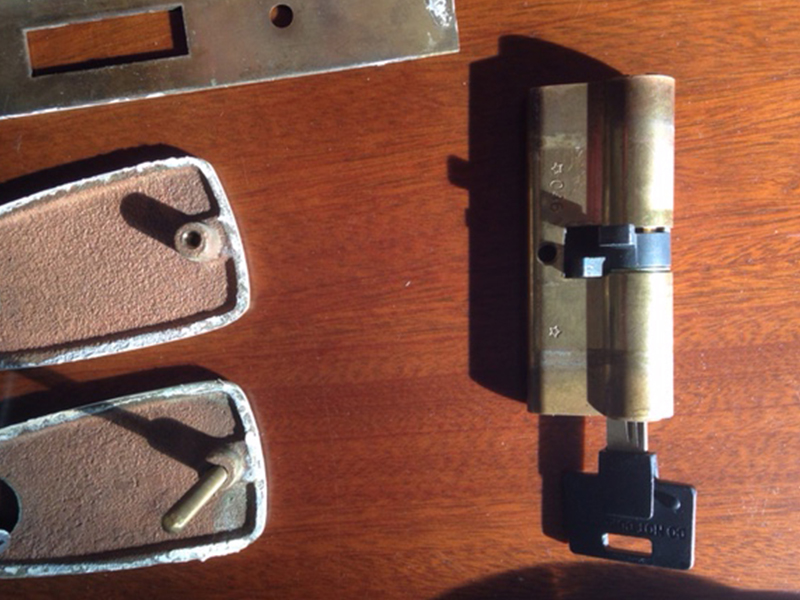
One of the most practical services in NYC is rekeying. It comes up after moves, roommate changes, tenant turnover, or lost keys. Rekeying changes the internal pins so old keys stop working, while keeping the same lock hardware when it's still in good shape.
The tools for rekeying are small and precise - pin kits, followers, gauges, and the careful little items that let a locksmith rebuild a lock cylinder properly. There's nothing flashy about it, but when it's done right, it feels like a fresh start. If you're thinking about it, rekey locks is often the cleanest way to regain control without replacing everything.
A lot of people assume every problem means buying a new lock. In NYC, that's not always necessary. Sometimes the best fix is repair: adjusting alignment, replacing a worn part, fixing a sticky mechanism, or addressing the reason the deadbolt drags.
This is where hand tools, small replacement parts, and the ability to diagnose matter. Some locks fail because they're old. Some fail because the door shifted. Some fail because the strike plate moved. A good locksmith treats it like a system, not a single part.
If you want to go deeper on that side, we cover it under lock repair as a service because it's one of the best ways to prevent repeat lockouts.
Modern locksmith work isn't only about metal keys. Smart locks and electronic deadbolt installs require a different toolkit: batteries, alignment checks, hardware fitting tools, and the patience to make sure the bolt extends smoothly every time.
Here's the honest NYC part: a keypad lock can be great, but if the door doesn't close cleanly, it can feel glitchy. A locksmith's "smart lock tools" are only half of it. The other half is making sure the door itself is ready for that hardware.
Some tools overlap, but the priorities change.
In home work, a residential locksmith often focuses on security, smooth operation, and clean entry. People want their door to feel normal again.
In business work, a commercial locksmith often focuses on durability and repeat use. Commercial doors get abused. Hardware has to survive. A fix that works once but fails after 50 openings is not a real fix.
Auto work is its own category. A car locksmith has to deal with delicate trim, modern security systems, and keys that aren't just keys anymore. Tools for car lockouts are designed to avoid damage. And for key issues, there are tools for cutting and, in many cases, programming.
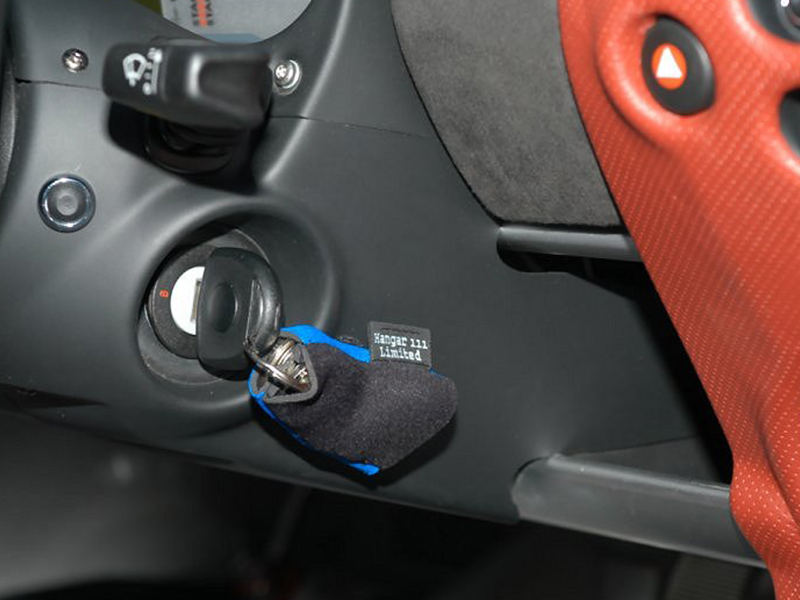
If you've ever had locked keys in car or locked out of car, you already know why careful tools matter. No one wants a scratched frame or messed up weather stripping after a simple lockout. If you need that type of help, our auto locksmith service covers car key replacement, key fob replacement, and key fob programming (vehicle-dependent), plus tricky problems like key stuck in ignition.
Honestly, you don't need to recognize every tool. But you can spot professionalism fast.
That's the real toolbox: the tools, the knowledge, and the calm approach. Especially when you're calling a 24 hour locksmith and you're already stressed.
If you ever need an emergency locksmith in Brooklyn, NY or anywhere in NYC, we'll show up prepared - with the right tools, and the right attitude.